

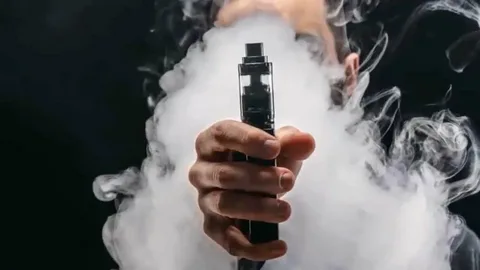
Disposable vapes have surged in popularity, offering a convenient and hassle-free alternative to traditional cigarettes and refillable vape devices. One crucial factor for users to consider is nicotine strength, which determines the intensity of the vaping experience and its potential impact on health. Understanding nicotine levels in disposable vapes can help users make informed choices that align with their preferences and needs.
What Is Nicotine Strength in Vapes?
Nicotine strength in disposable vapes refers to the concentration of nicotine in the e-liquid, typically measured in milligrams per milliliter (mg/mL) or as a percentage. For example, a vape labeled as 50mg/mL contains 5% nicotine by volume. The strength of nicotine in a vape directly affects how much nicotine the body absorbs, influencing the experience and potential for addiction.
Common Nicotine Strengths in Disposable Vapes
Disposable vapes come in various nicotine strengths to cater to different users, from light smokers to heavy nicotine consumers. The most common nicotine strengths found in disposable vapes include:
- 0 mg/mL (Nicotine-Free) – Ideal for those who enjoy vaping but want to avoid nicotine addiction.
- 3 mg/mL to 6 mg/mL (0.3% to 0.6%) – A low-strength option suitable for light smokers or casual vapers.
- 20 mg/mL (2%) – Common in regions with nicotine regulations, such as the European Union, and suitable for moderate smokers.
- 30 mg/mL to 50 mg/mL (3% to 5%) – Popular in the U.S. and other markets, catering to heavy smokers seeking a strong nicotine hit.
Many disposable vapes use nicotine salts, which allow for higher nicotine concentrations while maintaining a smooth throat hit compared to traditional freebase nicotine.
How to Choose the Right Nicotine Strength
Selecting the right nicotine strength depends on several factors, including smoking habits, nicotine tolerance, and personal preferences. Here are some general guidelines:
- If You Are a Light Smoker: A lower strength, such as 3 mg/mL or 6 mg/mL, can provide a mild nicotine effect without overwhelming the system.
- If You Smoke a Pack a Day: A mid-range option, like 20 mg/mL, can deliver a similar nicotine intake to traditional cigarettes.
- If You Are a Heavy Smoker: A stronger nicotine concentration, around 30 mg/mL to 50 mg/mL, may be necessary to satisfy cravings and prevent withdrawal symptoms.
- If You Want to Quit Nicotine: Gradually reducing nicotine strength over time can help transition away from nicotine dependence.
The Effects of High Nicotine Strength
While high nicotine strengths can provide satisfaction for heavy smokers, they also come with risks. Some potential effects of high nicotine concentrations in disposable vapes include:
- Increased Nicotine Dependence: Higher strengths can lead to stronger cravings and make it harder to quit.
- Nicotine Overdose Symptoms: Dizziness, nausea, headaches, and rapid heartbeat can occur if too much nicotine is consumed too quickly.
- Harsh Throat Hit: Some users may find that high-strength nicotine vapes cause throat irritation or discomfort.
Regulations on Nicotine Strength in Vapes
Different countries have varying regulations on nicotine strengths in vapes. For example:
- European Union: Limits nicotine strength to 20 mg/mL (2%) under the Tobacco Products Directive (TPD).
- United States: No federal limit, but many disposable vapes commonly offer strengths up to 50 mg/mL.
- Canada: Initially allowed high-nicotine vapes but has since implemented a 20 mg/mL cap to reduce youth nicotine addiction.
- Australia: Requires a prescription for nicotine-containing vapes, with strict regulations on availability.
Before purchasing disposable vapes, it’s essential to check local regulations to ensure compliance and safety.
Nicotine Strength and Health Considerations
Nicotine, regardless of the delivery method, carries potential health risks. Some important considerations include:
- Addiction: Nicotine is highly addictive, making it challenging to quit once dependence is established.
- Heart and Lung Effects: Nicotine can increase heart rate and blood pressure, potentially leading to cardiovascular issues over time.
- Youth Vaping Concerns: High nicotine strengths have contributed to a rise in youth vaping, raising concerns about long-term dependence and brain development.
If using vapes as a smoking alternative, it’s advisable to consult with a healthcare professional to determine the best approach to nicotine consumption.
Tips for Reducing Nicotine Strength
For those looking to lower their nicotine intake, here are some strategies:
- Gradual Reduction: Switch to lower nicotine strengths over time to minimize withdrawal symptoms.
- Use Nicotine-Free Options: Transition to nicotine-free vapes to maintain the habit without the addictive substance.
- Monitor Consumption: Be mindful of how frequently you vape to avoid excessive nicotine intake.
- Consider Alternative Nicotine Replacement Therapies (NRTs): Patches, gum, and lozenges can help manage cravings more effectively.
Conclusion
Understanding nicotine strength in disposable vapes is essential for making informed choices about vaping habits. Whether you are a former smoker transitioning to vaping or someone looking to manage nicotine intake, selecting the right strength can significantly impact satisfaction and overall health. Always consider regulations, potential risks, and strategies for reducing nicotine dependency when using disposable vapes.